Exploring the Future: How AI-Generated Art is Transforming Commerce
The Rise of AI-Generated Art
The integration of artificial intelligence into various sectors has led to groundbreaking advancements, and the art world is no exception. AI-generated art is rapidly gaining traction, offering a new medium for creative expression. This technological innovation is not only reshaping artistic boundaries but also transforming commerce in unprecedented ways.
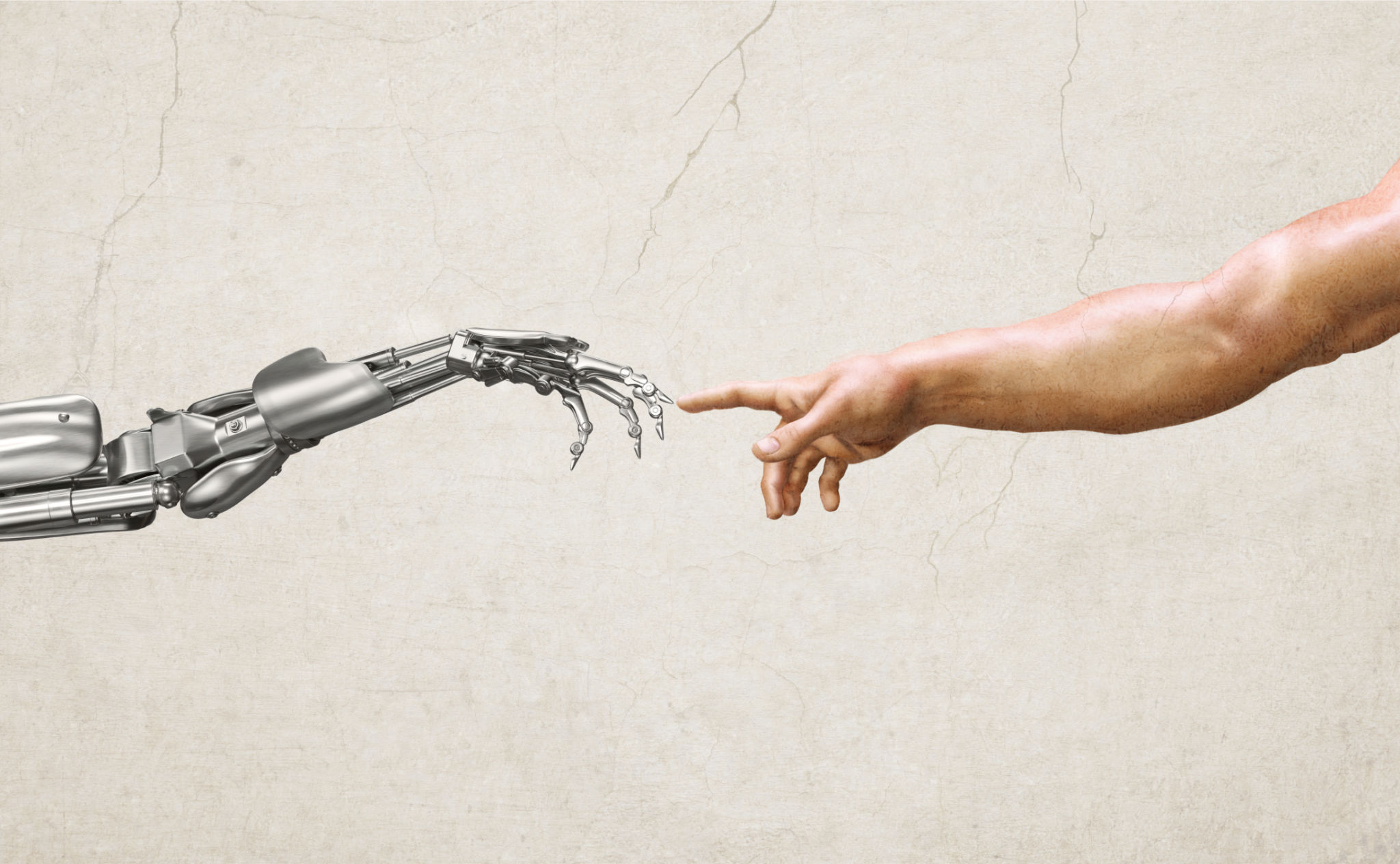
AI-generated art leverages algorithms to create unique pieces of art, often indistinguishable from those crafted by human hands. By analyzing vast datasets of existing artworks, AI can produce original pieces that reflect diverse styles and techniques. This fusion of technology and creativity opens up exciting possibilities for artists and businesses alike.
Impact on the Art Market
The art market is experiencing a paradigm shift with the introduction of AI-generated creations. Galleries and auction houses are now showcasing AI art, attracting a new wave of collectors interested in digital and tech-infused art forms. This trend is democratizing art collection, making it more accessible to a broader audience.
Furthermore, AI art is challenging traditional notions of authorship and originality. As technology becomes an integral part of the creative process, questions arise about the value and authenticity of AI-generated works. This debate is sparking interest and dialogue within the art community, driving further innovation and exploration.
Transforming Commerce with AI Art
Beyond the art world, AI-generated art is influencing commerce by providing businesses with unique branding opportunities. Companies are utilizing AI art to create distinctive logos, promotional materials, and product designs that stand out in a crowded marketplace. This not only enhances brand identity but also fosters a deeper connection with tech-savvy consumers.
In addition, AI art is being used in advertising campaigns to create visually stunning and personalized content. By analyzing consumer preferences and trends, AI can generate artwork that resonates with target audiences, leading to more effective marketing strategies and increased customer engagement.

Future Prospects and Challenges
As AI-generated art continues to evolve, its potential applications in commerce are limitless. From virtual reality experiences to interactive installations, businesses can leverage AI art to create immersive environments that captivate their audience. This innovation promises to redefine how consumers interact with brands and products.
However, the rise of AI art also presents challenges. Issues such as copyright infringement, data privacy, and ethical considerations must be addressed to ensure responsible use of this technology. As the boundaries between human and machine creativity blur, establishing clear guidelines and regulations will be crucial.
Conclusion
AI-generated art is more than just a technological novelty; it represents a profound shift in how we perceive and interact with art and commerce. By embracing this fusion of creativity and technology, businesses can unlock new opportunities for growth and innovation. As we explore the future of AI art, the possibilities are as limitless as our imagination.