
The Role of AI in Modern Business: Navigating Common Misconceptions
Understanding AI's Impact on Business
Artificial Intelligence (AI) has become a transformative force in modern business, reshaping industries and driving innovation. Despite its widespread adoption, several misconceptions still cloud its potential. Understanding AI's true impact requires dispelling these myths and recognizing its capabilities.

AI as a Job Creator, Not a Job Destroyer
A common misconception is that AI will lead to massive job losses. While AI does automate certain tasks, it also creates new opportunities. Businesses are finding that AI can handle repetitive tasks, allowing employees to focus on more strategic and creative roles. In fact, AI is expected to generate new job categories, including AI maintenance and ethics specialists.
AI Is Not Just for Tech Giants
Many believe AI is only accessible to large corporations with vast resources. In reality, AI solutions are becoming increasingly affordable and customizable, making them accessible to small and medium-sized enterprises (SMEs). Cloud-based AI services allow businesses of all sizes to integrate AI into their operations without significant upfront investment.

Enhancing Customer Experience
AI is revolutionizing customer service by providing personalized experiences. Through data analysis, AI can predict customer preferences and tailor recommendations, improving satisfaction and loyalty. Chatbots and virtual assistants are other AI-driven tools enhancing interaction efficiency and availability.
AI and Data Privacy Concerns
Data privacy is a significant concern with AI integration. Businesses must ensure they comply with regulations like GDPR to protect customer information. It's crucial to implement transparent data policies and educate consumers about how their data is used, fostering trust and confidence.

AI's Role in Decision-Making
AI empowers businesses with data-driven insights, aiding in informed decision-making. By analyzing large datasets, AI can identify trends and patterns that humans might overlook. This capability enables companies to anticipate market changes and adjust strategies proactively.
Overcoming AI Implementation Challenges
Implementing AI can be daunting, but overcoming initial hurdles leads to long-term benefits. Understanding specific business needs and setting clear objectives are essential first steps. Collaborating with AI experts can also streamline the adoption process, ensuring successful integration.
- Define clear objectives for AI integration.
- Assess data quality and availability.
- Invest in employee training and development.
- Continuously monitor and adjust AI applications.
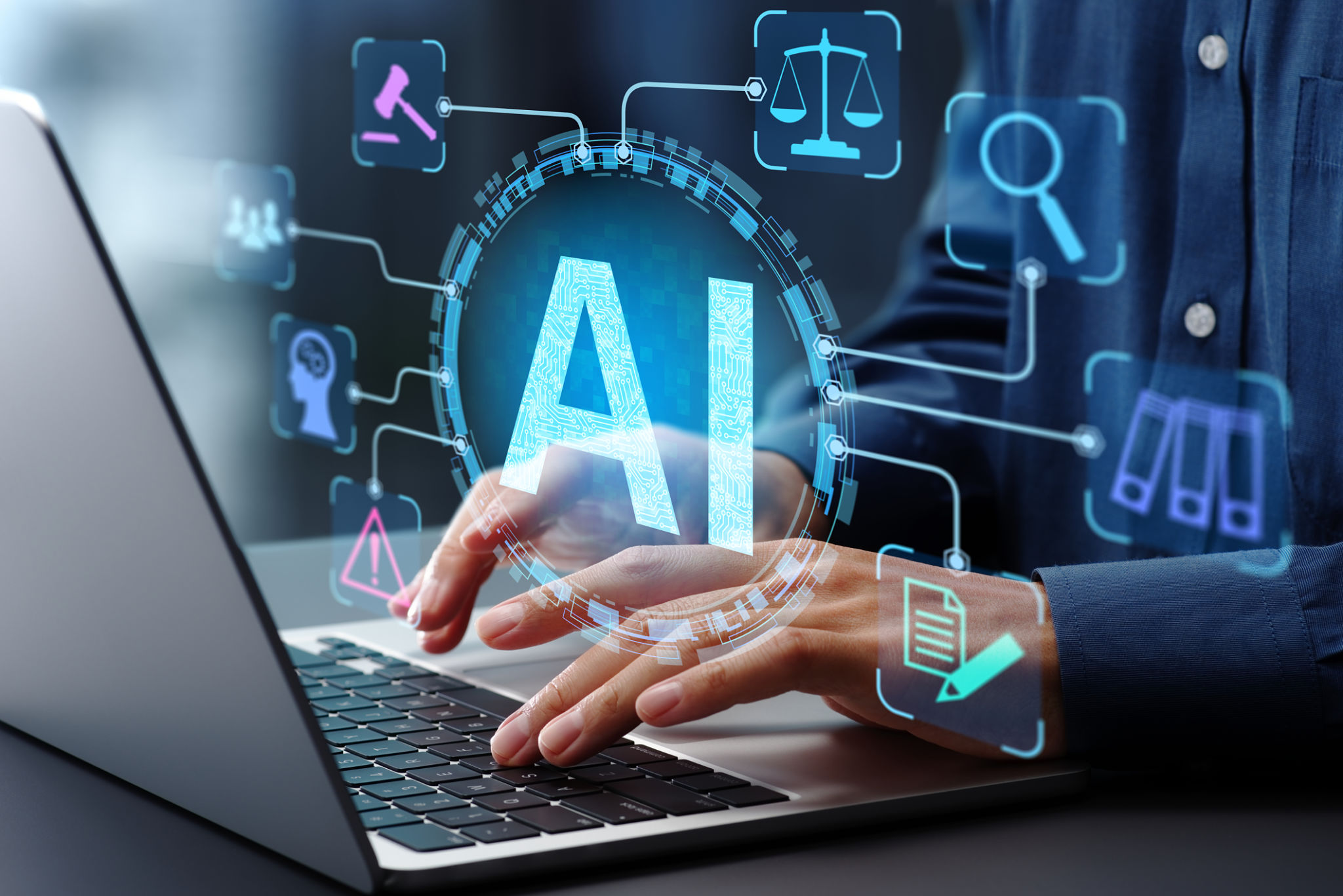
In conclusion, AI is a powerful tool that, when embraced correctly, can drive business growth and innovation. By dispelling misconceptions and understanding its true potential, companies can navigate the evolving landscape with confidence and foresight.